Subscribe
Alert Me when new Data Products are available


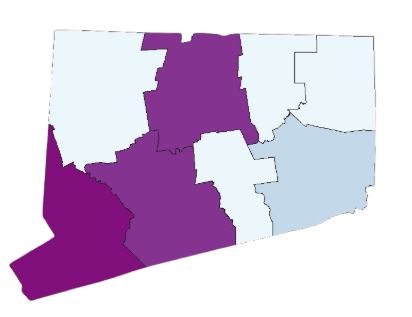
Connecticut is a small but densely populated state in the northeastern United States. Its demographic profile reflects a combination of historic New England communities, large urban centers, affluent suburbs, and growing racial and ethnic diversity. According to the 2020 U.S. Census, Connecticut had a population of 3,605,944. Recent Census estimates place the state’s population at approximately 3.6–3.7 million residents. Population and Settlement Patterns Although Connecticut ranks among the smaller states by land area, it is one of the more densely populated. Much of its population is concentrated along the Interstate 95 corridor and in metropolitan areas surrounding Bridgeport, New Haven, Stamford, Hartford, and Waterbury. The state’s largest cities include: Bridgeport: More than 140,000 residents New Haven: Approximately 135,000 residents Stamford: Approximately 135,000 residents Hartford: Approximately 120,000 residents Waterbury: Approximately 115,000 residents Connecticut also contains many suburban and rural communities. Fairfield County, located near New York City, is known for high population density and high household incomes, while parts of eastern and northwestern Connecticut are less densely settled. Race and Ethnicity Connecticut has become increasingly diverse over the past several decades. The 2020 Census reported the following broad racial and ethnic characteristics: White alone: Approximately 61.6% Black or African American alone: Approximately 12.4% Asian alone: Approximately 6.0% American Indian and Alaska Native alone: Approximately 1.1% Native Hawaiian and Other Pacific Islander alone: Less than 1% Two or more races: A growing share of the population Hispanic or Latino residents, of any race: Approximately 18.7% Because Hispanic or Latino identity is measured separately from race, these categories can overlap. For example, a person may identify as both Hispanic or Latino and White. The Hispanic and Latino population is especially significant in cities such as Hartford, Bridgeport, New Haven, and Waterbury. Connecticut’s Latino communities include people with roots in Puerto Rico, the Dominican Republic, Mexico, Central America, and South America. The state also has sizable Black and Caribbean communities, as well as growing Asian communities, including residents of Indian, Chinese, Korean, Vietnamese, and Filipino ancestry. Age and Household Structure Connecticut has an older population compared with many parts of the United States. Approximately one-fifth of residents are age 65 or older, while roughly 20% are under age 18. The median age is about 41 years. The state’s aging population affects demand for: Health-care and long-term-care services Accessible housing and transportation Retirement and social-support programs Workers in health care and other service industries At the same time, Connecticut remains home to significant numbers of college students, young professionals, and families. Universities such as Yale University, the University of Connecticut, and numerous private colleges contribute to the state’s relatively educated and economically diverse population. Income and Poverty Connecticut is one of the wealthier states in the United States. Recent American Community Survey estimates place the state’s median household income at approximately $90,000–$95,000 per year, substantially above the national median. However, statewide averages conceal major economic differences. Affluent communities in Fairfield County and parts of Hartford County have some of the highest incomes in the country, while several urban neighborhoods experience considerably lower incomes and higher poverty. Approximately 10% to 12% of Connecticut residents live below the federal poverty line, though poverty rates are considerably higher in some cities. Children, single-parent households, renters, and residents of historically underserved neighborhoods are especially vulnerable to economic hardship. Housing costs are another important factor. In many communities near New York City and along the coast, high home prices and rents place pressure on middle- and lower-income households. Even residents with relatively high incomes may face challenges related to housing affordability, property taxes, and transportation costs. Education and Employment Connecticut has a highly educated population. Approximately four in ten adults hold a bachelor’s degree or higher, giving the state one of the highest educational-attainment rates nationally. Major sectors of the state economy include: Health care and social assistance Finance and insurance Education Manufacturing and aerospace Professional and technical services Government Retail and hospitality The state’s economy benefits from its location between Boston and New York City. Many residents commute across county and state lines, particularly in southwestern Connecticut, where transportation and employment patterns are strongly connected to the New York metropolitan area. Demographic Challenges and Trends Connecticut faces several important demographic challenges. Population growth has been relatively slow, and the state has experienced periods of population decline or stagnation. Outmigration among some younger adults and high housing costs are frequently discussed as factors affecting long-term growth. At the same time, Connecticut is becoming more racially and ethnically diverse. This trend is influencing schools, workplaces, public services, and political representation. Communities must increasingly provide multilingual services and address differences in health outcomes, educational opportunity, income, and housing access. The state’s aging population is another major consideration. Policymakers must balance the needs of older residents with efforts to retain young workers, attract families, and expand employment opportunities. Conclusion Connecticut’s demographic profile combines a population of roughly 3.6 million people, significant racial and ethnic diversity, high educational attainment, and relatively high household incomes. Yet the state also contains substantial inequality among cities, suburbs, and rural communities. Its future demographic direction will depend on population aging, migration, housing affordability, economic opportunity, and the continued growth of Hispanic, Black, Asian, and multiracial communities.